

New Year, New Gear: Why Now Is the Best Time to Upgrade Fire Protection Air Compressors
As the new year begins, many fire protection professionals evaluate system performance and plan upgrades before inspection season ramps up. One component that often gets overlooked—until it fails—is the fire sprinkler compressor. These systems play a critical role in the reliability of dry and preaction fire sprinkler systems, especially after the heavy demands of winter.
If your system has been working overtime in cold conditions, now is the ideal time to evaluate your fire protection air compressor. Proactively upgrading a dry system compressor early in the year can help prevent downtime, inspection issues, and costly emergency replacements later.
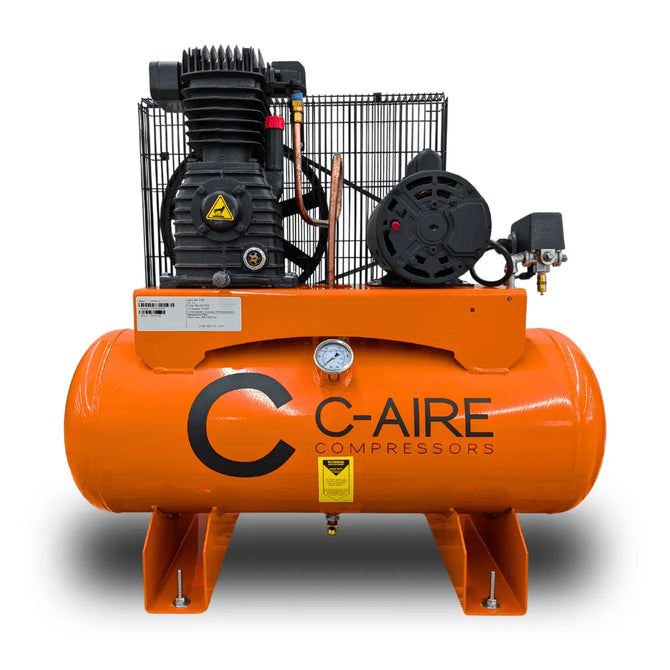
Why Fire Sprinkler Compressors Fail More Often After Heavy Winter Usage
Winter is one of the most demanding seasons for any air compressor for a fire sprinkler system. Cold temperatures increase condensation, force compressors to cycle more frequently, and place additional strain on motors and internal components.
Common winter-related stress factors include:
Increased moisture accumulation in air lines
Longer run times to maintain supervisory air pressure
Cold starts that accelerate wear on motors and seals
Aging components struggling to keep up with system demand
By the time spring inspections begin, many fire protection air compressors are already operating at reduced efficiency—or nearing failure.
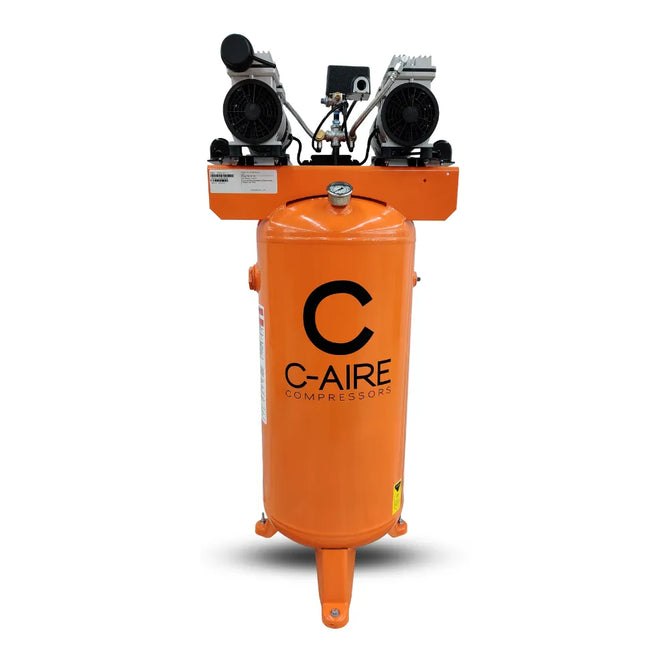
Signs It’s Time to Replace or Upgrade a Fire Sprinkler Compressor
Compressors rarely fail without warning. Identifying early indicators allows you to plan a fire sprinkler compressor replacement instead of reacting to an emergency.
Signs your fire sprinkler air compressor may need replacement include:
Excessive or constant cycling
Difficulty maintaining air pressure in a dry pipe system
Increased noise or vibration
Frequent maintenance or service calls
Failed or borderline inspection results
Visible corrosion or moisture-related issues
Older or undersized units often struggle to meet today’s system requirements, making an upgrade the most reliable long-term solution.
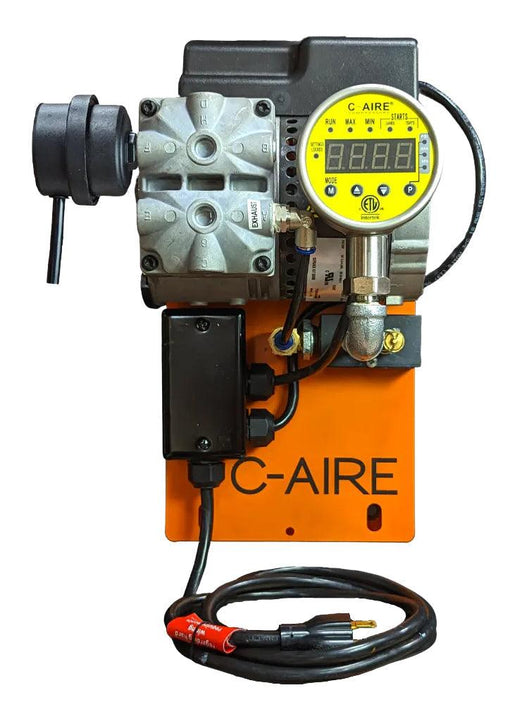
$2,060.48
Benefits of Newer Fire Protection Air Compressor Technology
Modern fire protection compressors are purpose-built for dry and preaction systems. Compared to older units, newer fire sprinkler compressors offer meaningful advantages:
- Improved energy efficiency and reduced run times
- Better moisture control to protect piping
- Quieter operation and compact footprints
- Greater reliability for inspection and code compliance
- Models sized specifically for dry and preaction applications
Upgrading to a newer fire protection air compressor helps reduce maintenance costs while improving overall system performance.
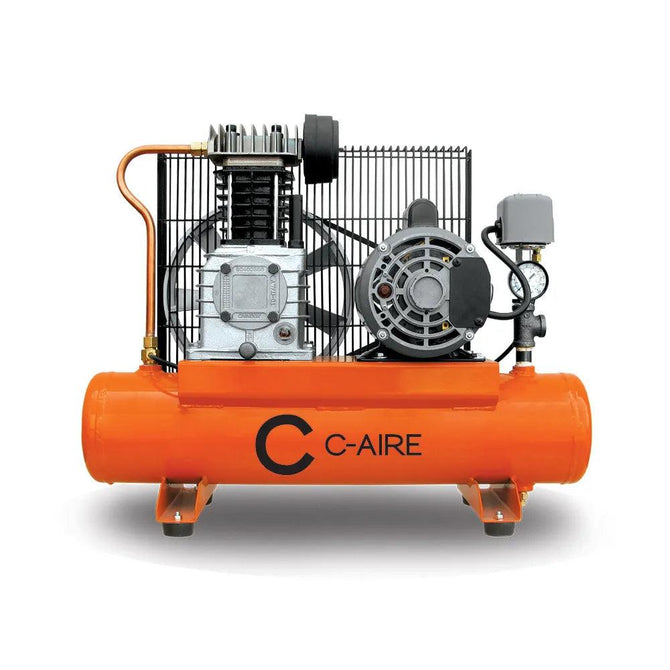
How the Right Dry System Compressor Supports Dry & Preaction Systems
Dry and preaction sprinkler systems depend on consistent air pressure to function properly. An undersized or failing dry system compressor can cause pressure fluctuations, nuisance alarms, and inspection failures.
A properly selected compressor for a dry fire sprinkler system:
Maintains required supervisory air pressure
Reduces moisture buildup inside piping
Supports faster system recovery after testing
Helps ensure compliance with NFPA standards
Using a fire sprinkler compressor designed specifically for fire protection—not general industrial use—provides dependable performance year-round.
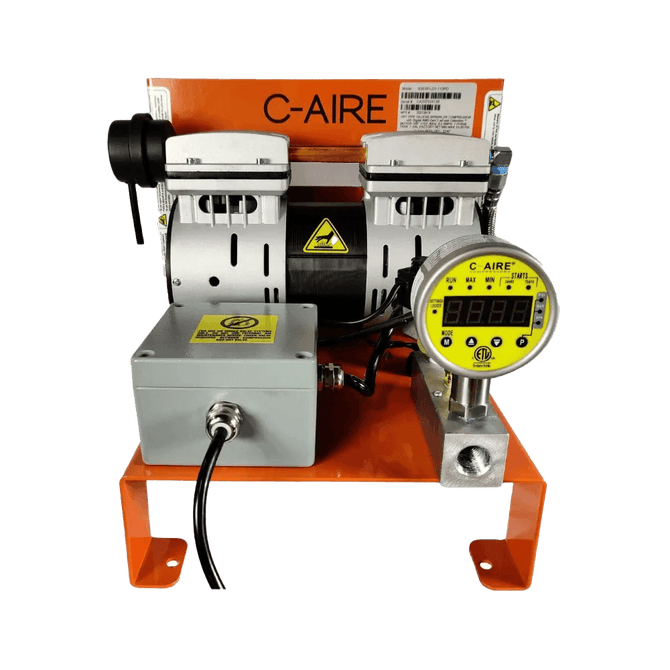
What to Look for When Choosing a Fire Sprinkler Compressor Replacement
When selecting a replacement fire sprinkler compressor, it’s important to look beyond initial cost. Key considerations include:
Proper sizing for system volume and configuration
UL-listed fire sprinkler compressor models
Moisture control and duty cycle ratings
Compatibility with dry pipe and preaction systems
Reliable availability to avoid project delays
Choosing the right air compressor for a dry sprinkler system ensures long-term reliability and inspection readiness.
Start the Year Ahead with the Right Fire Protection Compressor
The beginning of the year is the ideal time to upgrade critical system components before inspection schedules and emergency calls increase. Replacing or upgrading your fire protection air compressor now helps improve reliability, reduce downtime, a